
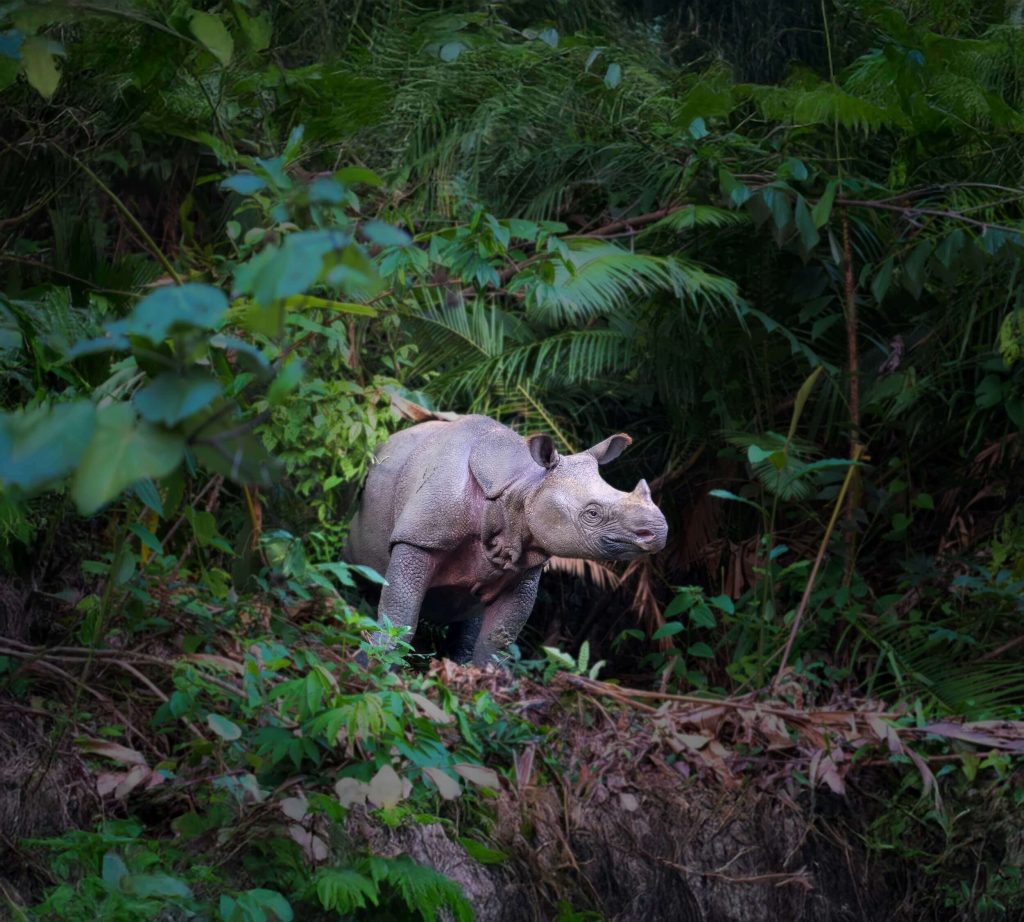
Effective conservation requires more than individual interventions. It requires the systems that connect them, creating the conditions for species to survive, recover and thrive over the long term.
Protect, Recover, Grow: Rethinking How We Prevent Extinction
Conservation is often measured through the actions we take to protect the natural world: the habitats we preserve, the rangers we support, the populations we monitor and the ecosystems we work to restore. These interventions are essential, particularly for species facing an immediate risk of extinction, but their long-term effectiveness depends on the systems that connect them and sustain progress over time.
Protecting an endangered species is rarely a challenge that can be solved by a single intervention or organisation. It requires funding aligned with priorities, evidence that informs decisions, effective governance and partnerships that bring together the expertise needed to deliver results. It also requires the institutional capacity to maintain progress beyond individual projects and funding cycles. Without these foundations, valuable conservation efforts can remain fragmented, limiting their potential to deliver lasting change.
At Edge Group Conservation, our approach is built on a simple premise: to prevent extinction, we must build the systems that make effective conservation possible. This means connecting funding, evidence, governance, partnerships, people and communication with the work happening on the ground, creating the conditions for conservation efforts to reinforce one another.
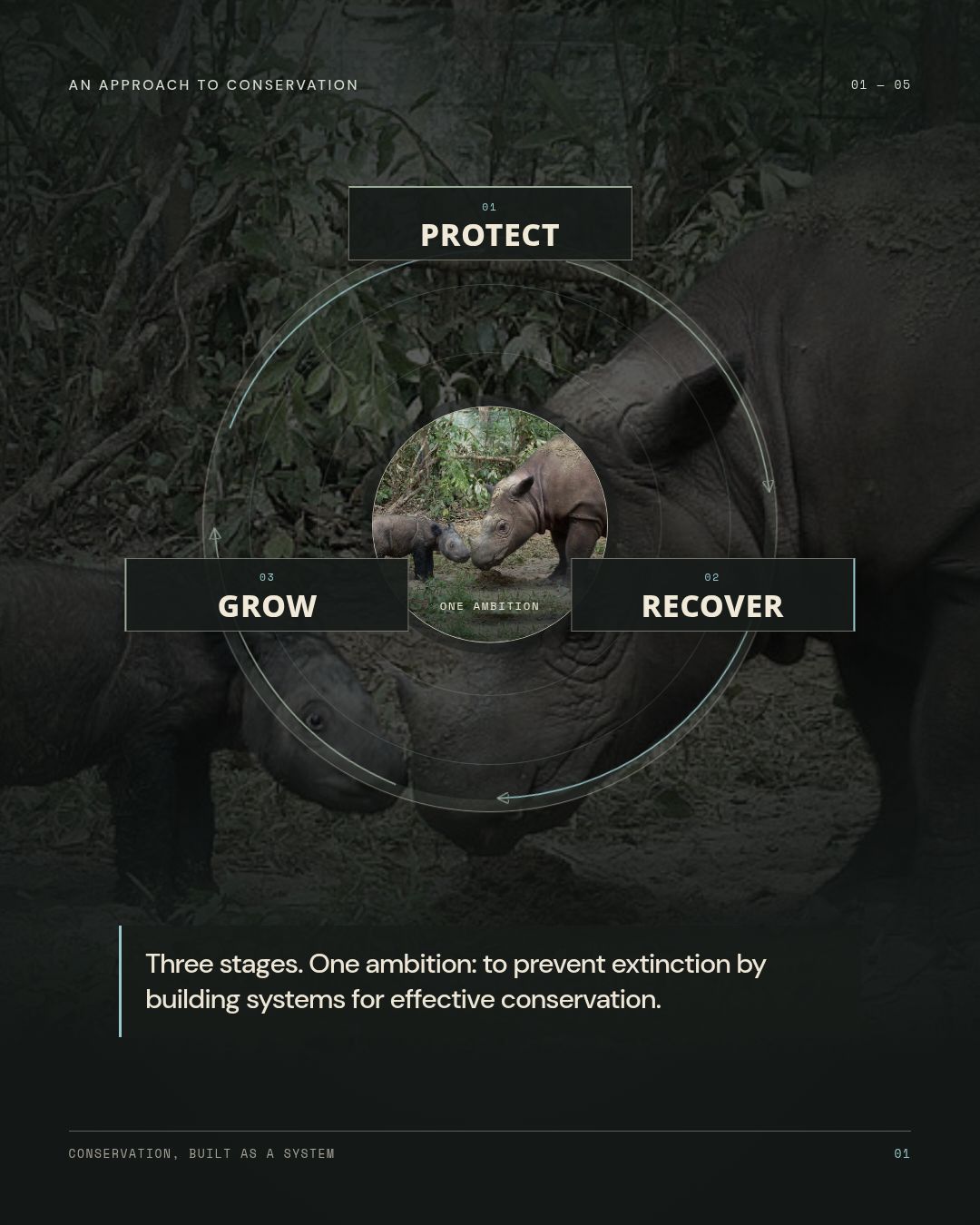
We structure this approach around three interconnected stages: Protect, Recover, Grow. Together, they connect the immediate need to secure a species’ survival with the longer-term ambition of rebuilding populations and ecosystems, and ensuring that progress endures.
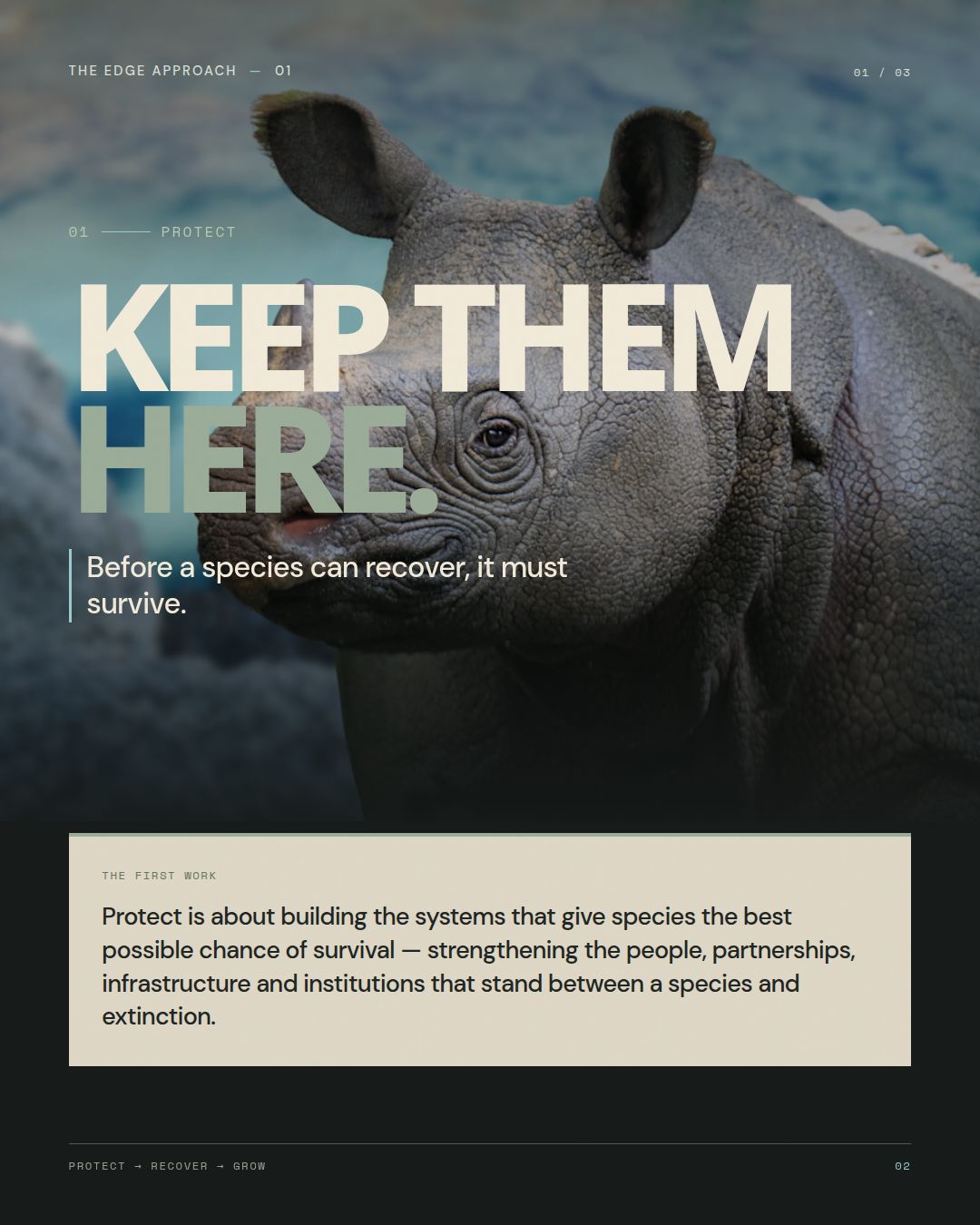
Protect: Building the foundations for survival
For a species facing extinction, the immediate priority is to keep it alive. Effective protection, however, depends on more than responding to threats as they arise. It requires the people, infrastructure, partnerships and institutions capable of sustaining conservation work where it is needed most.
This means strengthening the foundations that enable action on the ground. Conservation practitioners need the resources and operational support to do their work, while the organisations around them need the capacity to coordinate activity, manage resources and maintain progress. Funding must connect to clear priorities, partnerships must translate into practical collaboration, and governance must provide accountability and continuity.
Protect is about establishing these foundations so that immediate action has the strongest possible chance of success. It is the starting point for conservation, creating the conditions in which a species can survive and its recovery can begin.
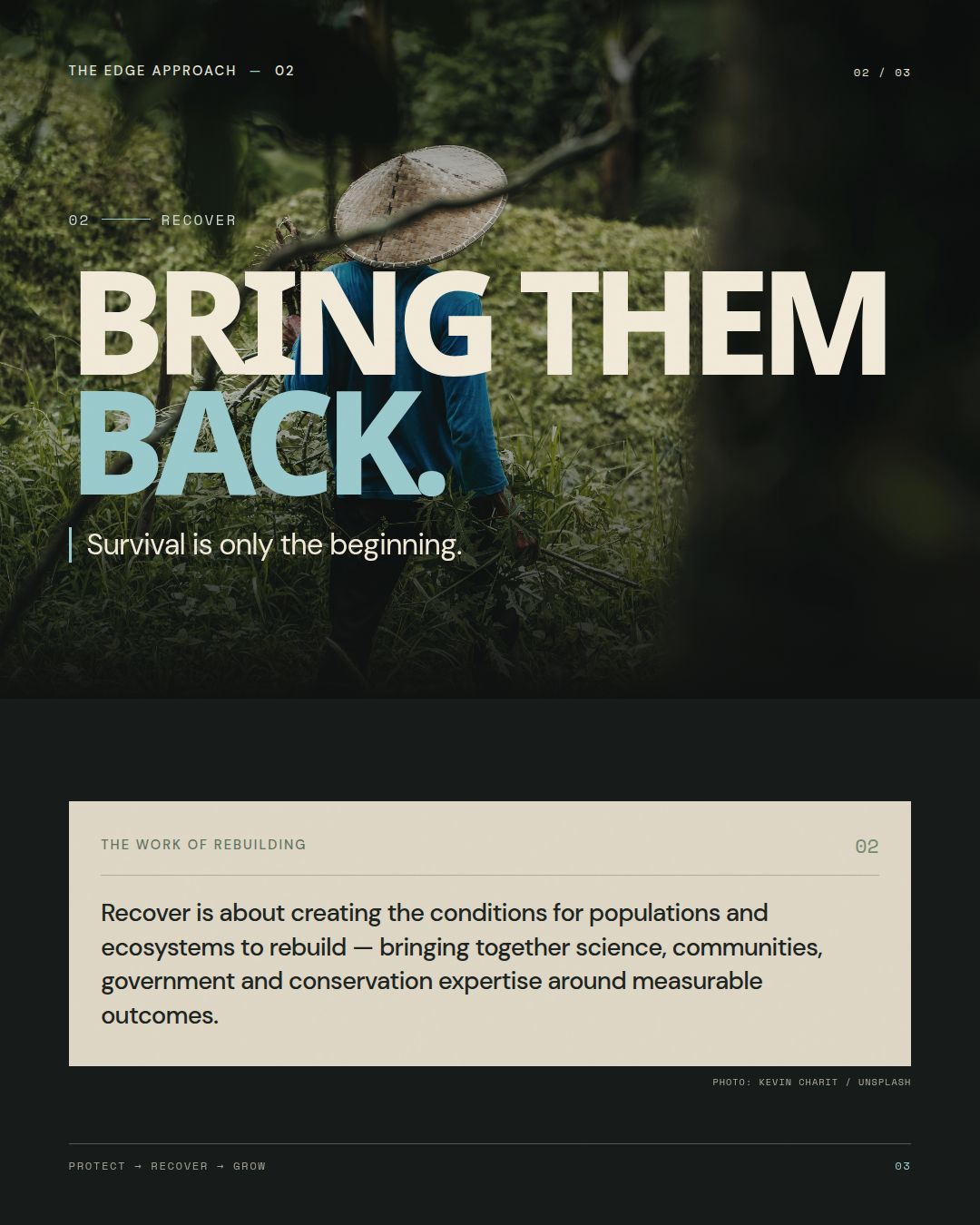
Recover: Creating the conditions for populations and ecosystems to rebuild
Survival does not automatically lead to recovery. Protecting a species from immediate threats is essential, but lasting progress requires the conditions in which populations and ecosystems can rebuild.
Recover brings together science, communities, government and conservation expertise around measurable outcomes. Evidence must inform priorities, partners must work towards shared objectives, and conservation efforts must be coordinated to address the challenges facing a species. By connecting these capabilities, individual interventions can contribute to a more coherent and sustained recovery effort.
The ambition is to move beyond preventing immediate loss towards creating a more secure future for a species. Recovery is not simply about doing more; it is about aligning the knowledge, resources and expertise needed to achieve meaningful progress.
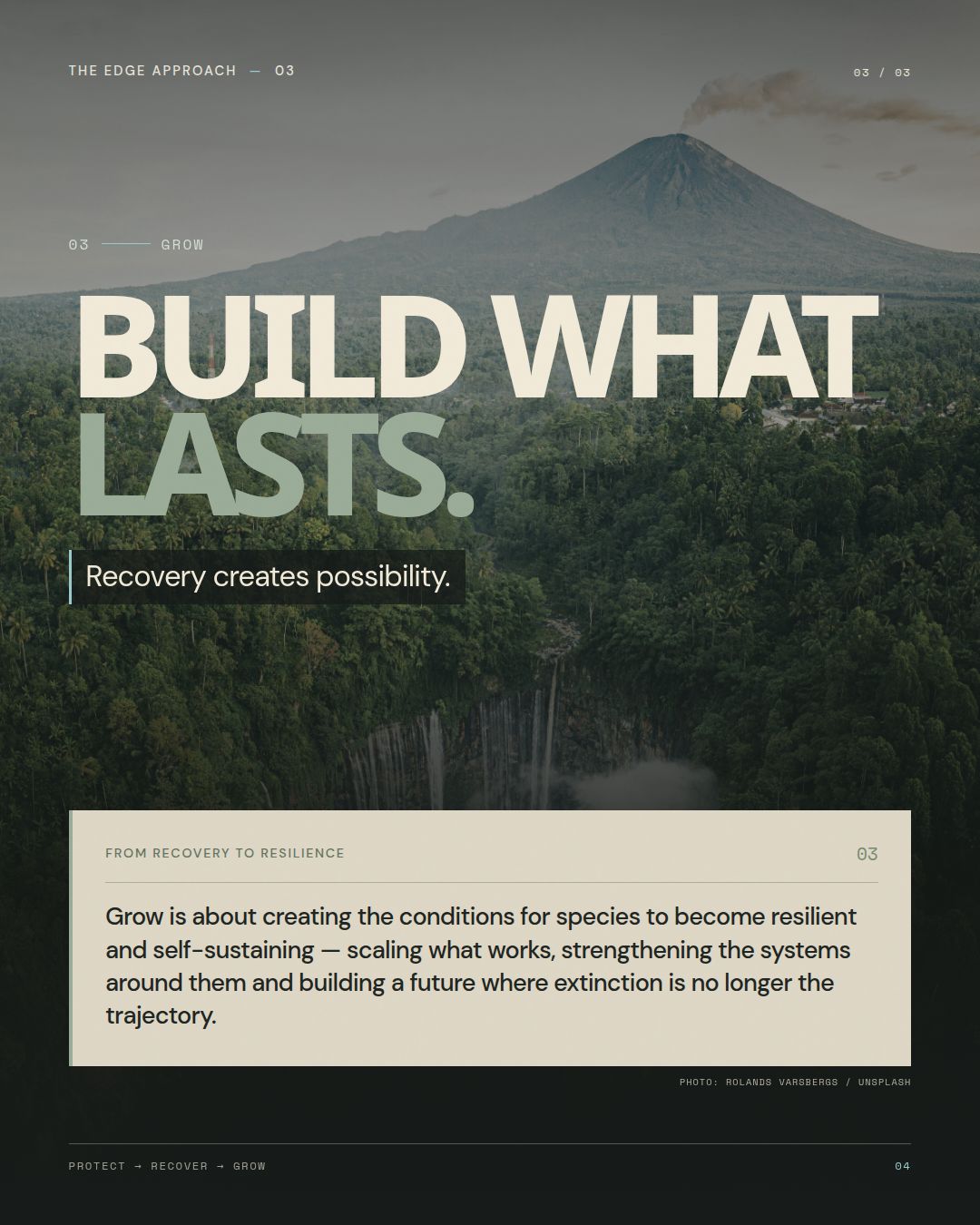
Grow: Building resilience that lasts
Conservation success must extend beyond individual milestones. The long-term ambition is to create the conditions in which species and ecosystems become resilient and self-sustaining, supported by systems capable of adapting as circumstances change.
Grow focuses on strengthening these foundations. Sustainable finance, effective governance, enduring partnerships and the ability to learn from evidence all contribute to conservation that can continue beyond individual projects or temporary sources of support.
Successful approaches must also be capable of being strengthened and scaled, allowing progress to develop over time. The objective is not simply to maintain what has been achieved, but to build the capacity for continued recovery.
By investing in the systems that support conservation, we can help create a future in which species are less vulnerable to the threats that once defined their prospects.
Why conservation must be approached as a connected system
Protect, Recover, Grow provides a framework for understanding how conservation impact develops over time. The stages have distinct purposes, but they are not isolated phases: protection remains essential throughout recovery, while the foundations for long-term resilience need to be considered from the beginning.
This perspective shifts the focus from individual activities to how they work together. Funding, evidence, governance, partnerships, people and communication are not secondary considerations to be addressed separately from fieldwork; they are interconnected elements of effective conservation. When aligned around shared objectives, they can strengthen the work on the ground and create a more durable foundation for progress.
Our first focus is the Javan rhino, a species that brings the urgency and complexity of endangered species conservation into sharp focus. Edge is working to build the systems around the species that support effective conservation action, connecting the resources, relationships and capabilities needed to protect its future. The same underlying principle informs our wider approach: conservation must be designed around the conditions required for lasting success, rather than a succession of disconnected interventions.
Systems change, not step change
Preventing extinction demands both immediate action and a long-term view of success. Protecting a species creates the opportunity for recovery; recovery creates the possibility of resilience. Achieving these outcomes depends on building the systems that connect each stage and sustain progress over time.
At Edge Group Conservation, Protect, Recover, Grow expresses this ambition. By strengthening the foundations around a species, we aim to make conservation more connected, effective and enduring.
Ultimately, preventing extinction is not only about what we do today, but what we build to secure a species’ future. Protect what remains. Recover what has been lost. Grow what can endure.