
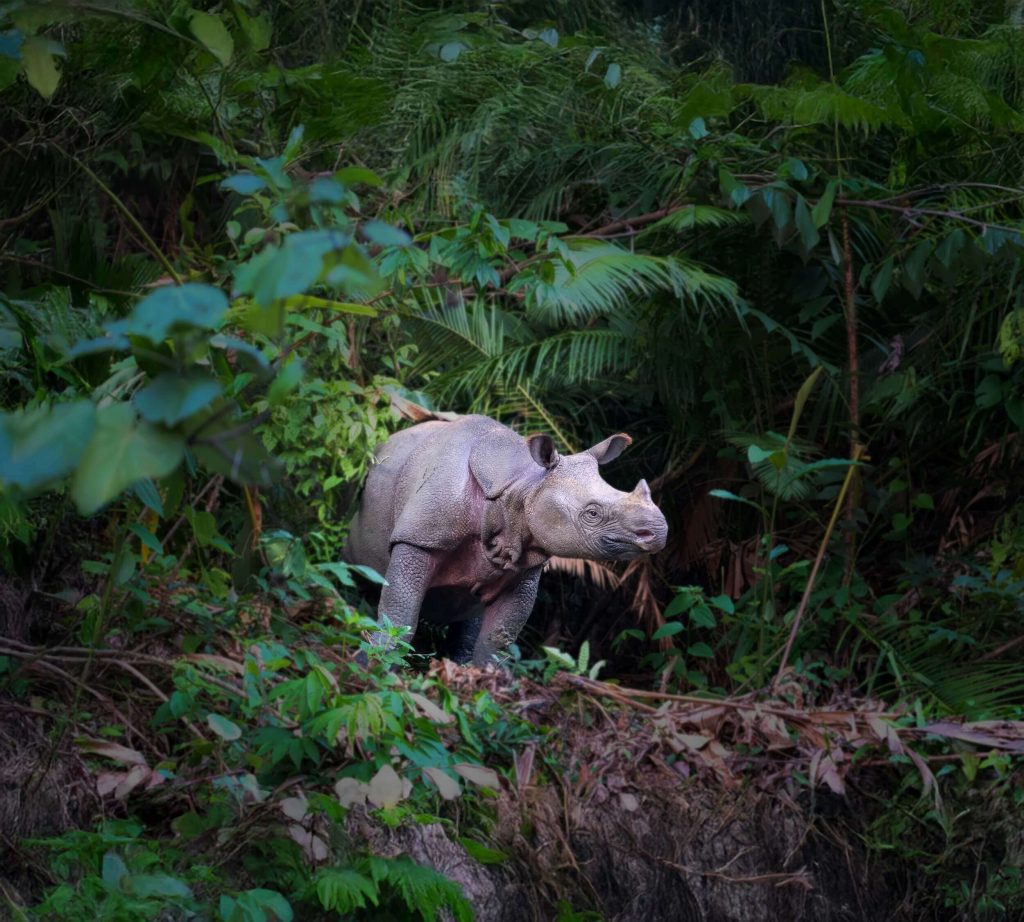
We’re building the systems to bring the Javan rhino back from the edge.
Introducing Edge Group Conservation
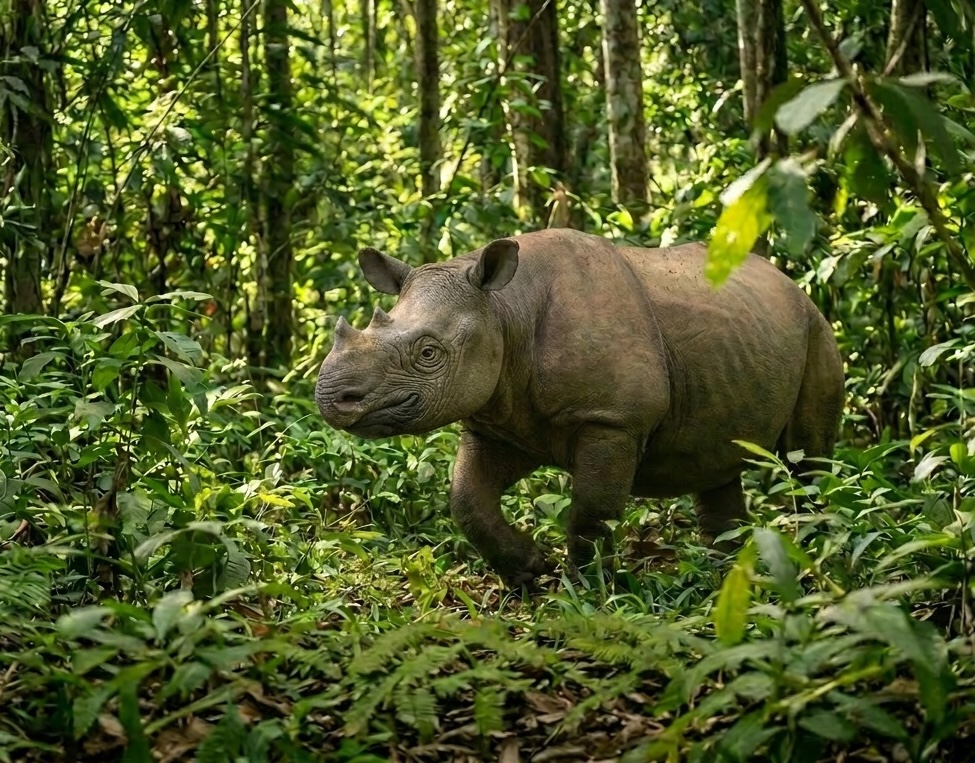
There are fewer than 100 Javan rhinos left on Earth.
Every single one of them lives in one place — Ujung Kulon National Park, a narrow peninsula on the western tip of Java, Indonesia. One disease outbreak, one poaching wave, one bad season, and the world’s rarest large mammal could be gone.
This is why Edge Group Conservation exists.
We’re launching today, on World Rhino Day, with one clear mission: to prevent extinction by building systems for effective conservation — starting with the Javan rhino.
Why we exist
Species extinction is one of humanity’s greatest challenges. And yet the knowledge, the expertise and the leadership needed to solve it already exist. Too often, species are lost not because we don’t know how to save them, but because of a lack of coordination, a lack of capacity, a lack of funding, and a lack of engagement.
The extinction crisis cannot be solved through isolated projects alone. All of the elements needed to prevent it are already out there. What’s missing is the ability to connect them.
That’s where we come in. We use our convening power to amplify the impact of exceptional partners — bringing together governments, funders, scientists, businesses and communities around shared conservation outcomes.
What makes us different
Edge is not simply another conservation charity.
Rather than duplicating the expertise that already exists on the ground, we identify exceptional conservation leaders, strengthen their capacity, unlock resources, coordinate partnerships and build the infrastructure for long-term success. We think like a business. We operate as a charity.
Our approach is built on four pillars, which is where our name comes from:
Enterprise — building sustainable revenue models to support long-term species and landscape recovery.
Data — gathering the evidence needed to understand species, landscapes and recovery opportunities.
Governance — designing the structures and management models that make conservation succeed.
Engagement — mobilising the right people, locally, nationally and internationally, to deliver lasting impact.
We believe lasting impact comes from a self-reinforcing cycle, not isolated interventions: conservation impact generates the stories and evidence that build awareness, which drives engagement and participation, which unlocks partnerships and resources, which builds more capacity — and delivers greater conservation impact again. As each stage reinforces the next, the system builds momentum, accelerating species recovery over time.
Our north star is simple: reversing extinction through systems change, not step change.
The Javan rhino — the “Ghost of the Forest” — is one of the rarest and most threatened large mammals on Earth. Vulnerable to poaching, at the mercy of habitat destruction, and powerless against natural disaster, its entire population is confined to a single national park in Indonesia. Saving it from extinction is urgent. It’s also possible.
By proving our approach with one of the world’s rarest mammals, we intend to build a conservation framework that can be adapted to support recovery programmes across many species, landscapes and countries. Our vision is that by 2056, the fate of this majestic, one-horned species will be secure.
Meet the team
Edge brings together decades of experience across conservation science, storytelling, philanthropy and organisational strategy:

Dr Niall McCann
CEO
Dr Niall McCann, CEO, is an explorer, conservationist and award-winning broadcaster. Niall has a PhD in Conservation Biology and has led biological research expeditions in remote and challenging environments for the past 25 years. After transitioning to frontline conservation, focusing on anti-poaching and the illegal wildlife trade, Niall’s work has been credited with saving a population of elephants and a population of tapirs from extinction. He is also Executive Director of Awe Nature, and sits on the Expert Advisory Panel for Prince William’s The Earthshot Prize. He has worked to lobby governments at home and abroad, and raised millions of pounds for charity through his expeditions and fieldwork.

Lydia Goedhuis
Managing Director
Lydia Goedhuis, Managing Director, brings a rare combination of cultural insight and global perspective to conservation. After a fifteen-year career in the arts, where she curated and hosted high level events, she has spent recent years immersed in philanthropy and charitable fundraising. Lydia has travelled extensively, attending and contributing to gatherings of some of the world’s leading thinkers across science, technology, conservation and global policy — developing a deeply informed understanding of the challenges facing our species and the planet, as well as an exceptional international network. Saving the Javan rhino from extinction is her first conservation project, and one she approaches with both urgency and a uniquely connected, interdisciplinary perspective.

Susanna Handslip
COO
Susanna Handslip, COO, is an award-winning television producer whose work spans a wide variety of platforms from the BBC, Apple TV+, Sky, Discovery, PBS to the Smithsonian Institution and the Royal Geographical Society. She has spent her career leading specialist teams in some of the most remote environments on Earth, capturing world-first footage of critically endangered species and the fragile ecosystems they inhabit. Over decades in the field, she has built close relationships with biologists, rangers and trackers operating on the front line of conservation. In recent years her focus has shifted towards impact-focussed filmmaking, creating stories with consequence that raise awareness about the world’s most threatened species and contribute to their protection.

Brad Davidson
Head of Strategic Development
Brad Davidson, Head of Strategic Development, is a strategist, fundraiser and communications specialist with a background in building purpose-driven organisations and mobilising support for environmental causes. His work brings together philanthropy, partnerships, storytelling and organisational development to help create the conditions for long-term conservation impact. He co-founded Ocean Generation, helping to grow the organisation into one of the UK’s leading ocean conservation charities, engaging millions of people worldwide through education, advocacy and behaviour change. Throughout his career, Brad has worked across the charity and social enterprise sectors, securing strategic partnerships, developing fundraising initiatives and using communications to translate complex environmental challenges into compelling public campaigns.
Casimir Owen Edmunds
Head of Impact
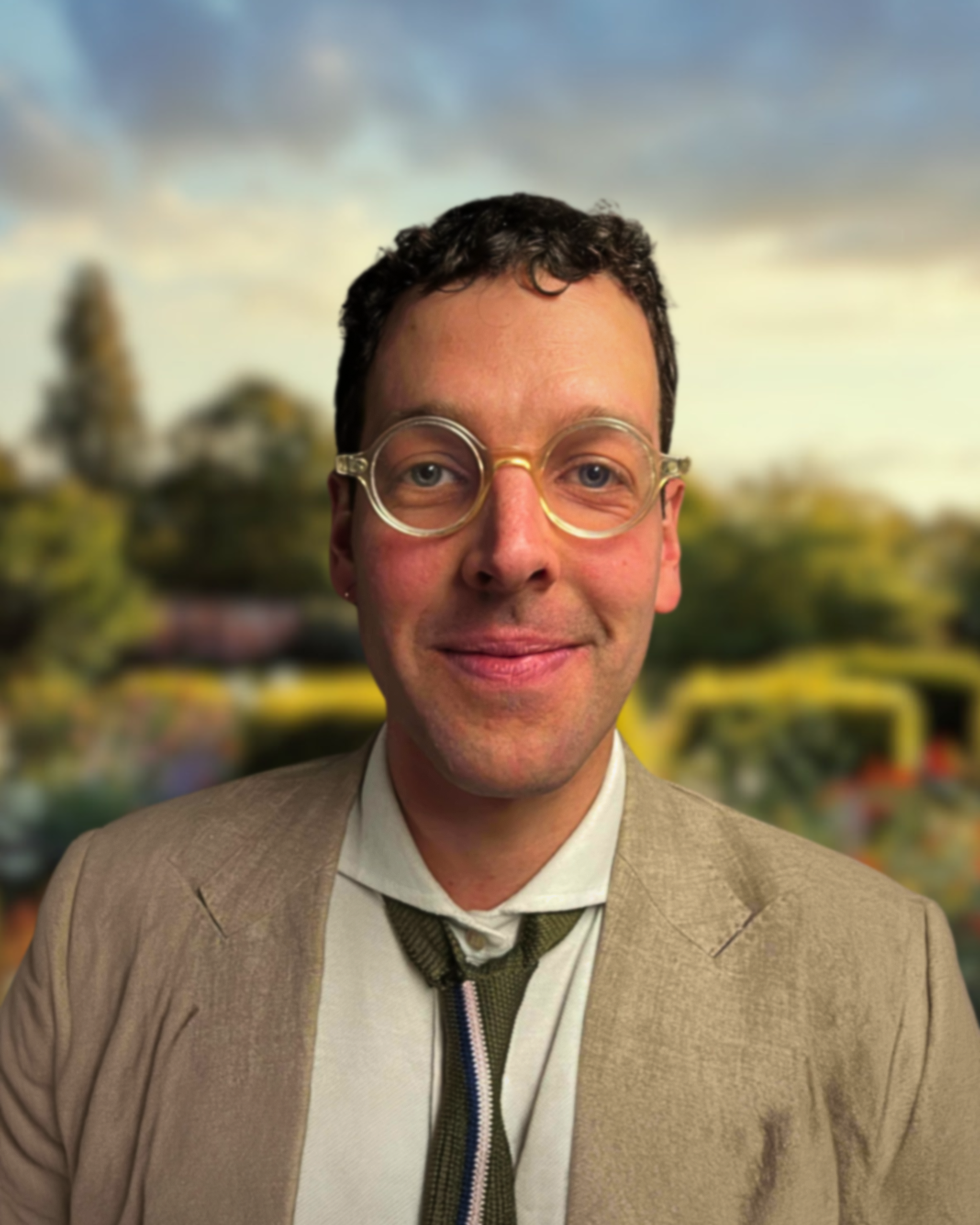
Casimir Owen Edmunds, Head of Impact, is a graduate of SOAS. His career has taken him from Head of Operations at Food Chain, where he developed strategic solutions to complex food supply challenges, to Head of Sales at Thornicroft’s. He now brings this combined operational and commercial perspective to environmental work. Driven by a desire to apply his experience to environmental challenges, Casimir now works at the intersection of strategy, operations and conservation. Coming to the sector from outside a traditional conservation background, he brings a fresh perspective to longstanding challenges, drawing on experience in business, food systems and organisational development. He is particularly interested in how ideas and approaches from other sectors can open up new ways of thinking about conservation – from how organisations collaborate and communicate to how strategies are translated into practical action.
Together, this team gives us scientific credibility, world-class storytelling capability, deep philanthropic networks, and the operational and strategic muscle to turn ambition into scaled, lasting impact.
What happens next?
This is just the beginning. Over the coming months, we’ll be sharing the story of the Javan rhino, the work happening on the ground in Ujung Kulon, and the partnerships we’re building to secure its future.